
Fis-sema, fl-art u kullimkien
AI-powered Environmental Intelligence
We develop artificial intelligence and computer vision systems that observe and understand our environment. We utilise technology from satellites in space to drones in the air and sensors on the ground to solve real-world challenges in Malta and beyond.
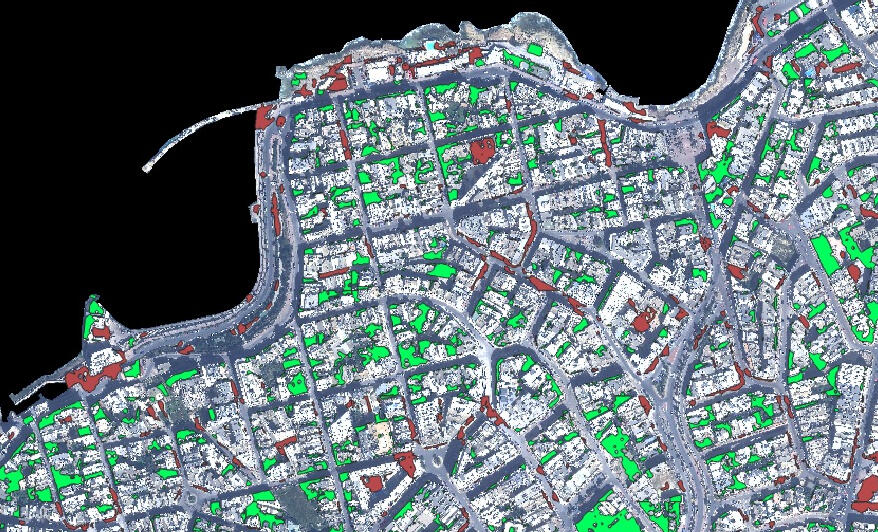
Fis-Sema: Satellite
From space, we observe large-scale changes and patterns across Malta's landscape.
The Enhancing Malta's Basemap with AI Technology (EMBAT) project is funded by the Malta Digital Innovation Authority and in collaboration with the Planning Authority. It explores an AI-powered pipeline for geospatial analysis for automated map updating.
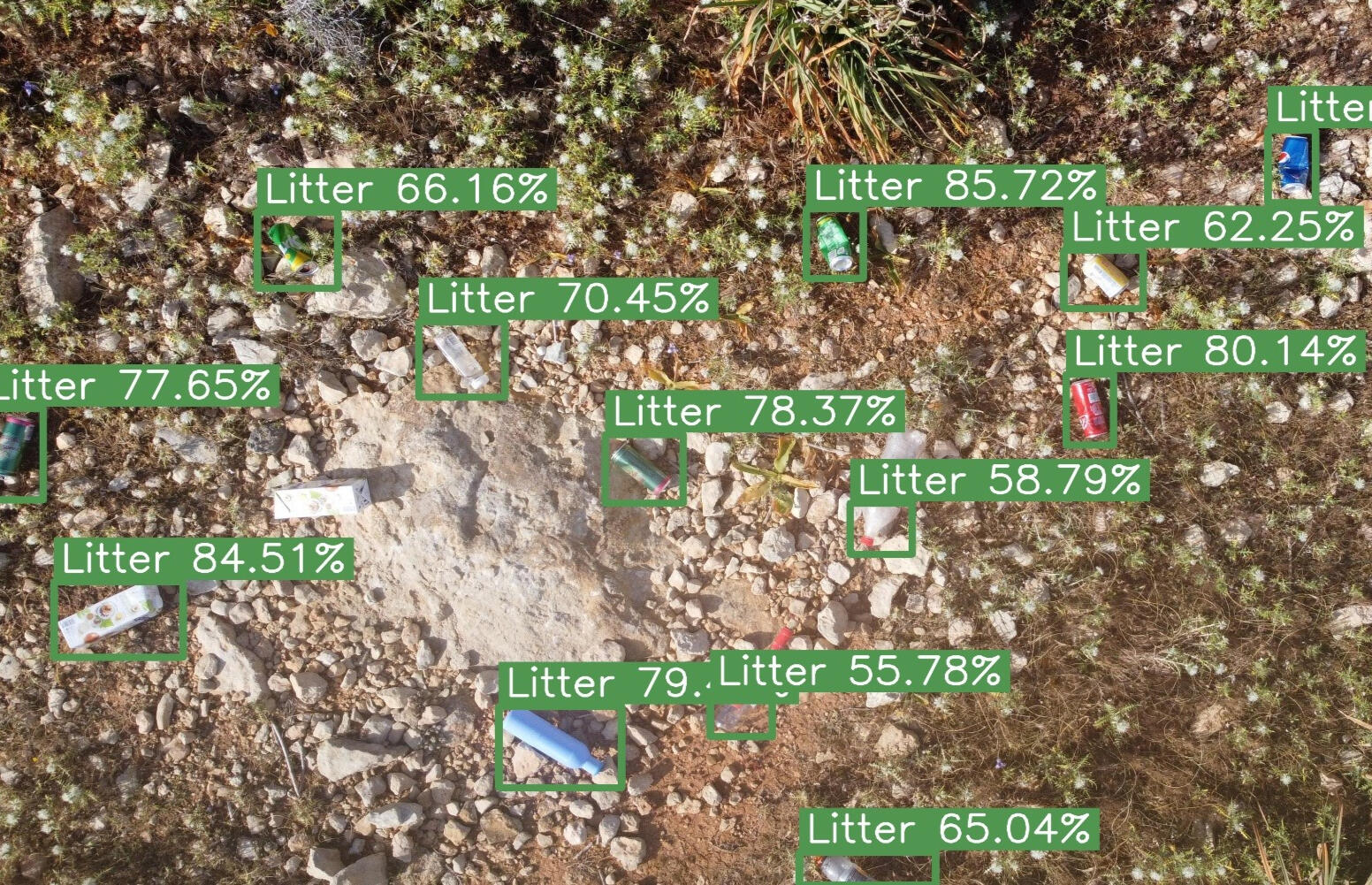
Fis-Sema: Drones
Drones provide detailed, flexible monitoring from 1 to 30 metres above ground.
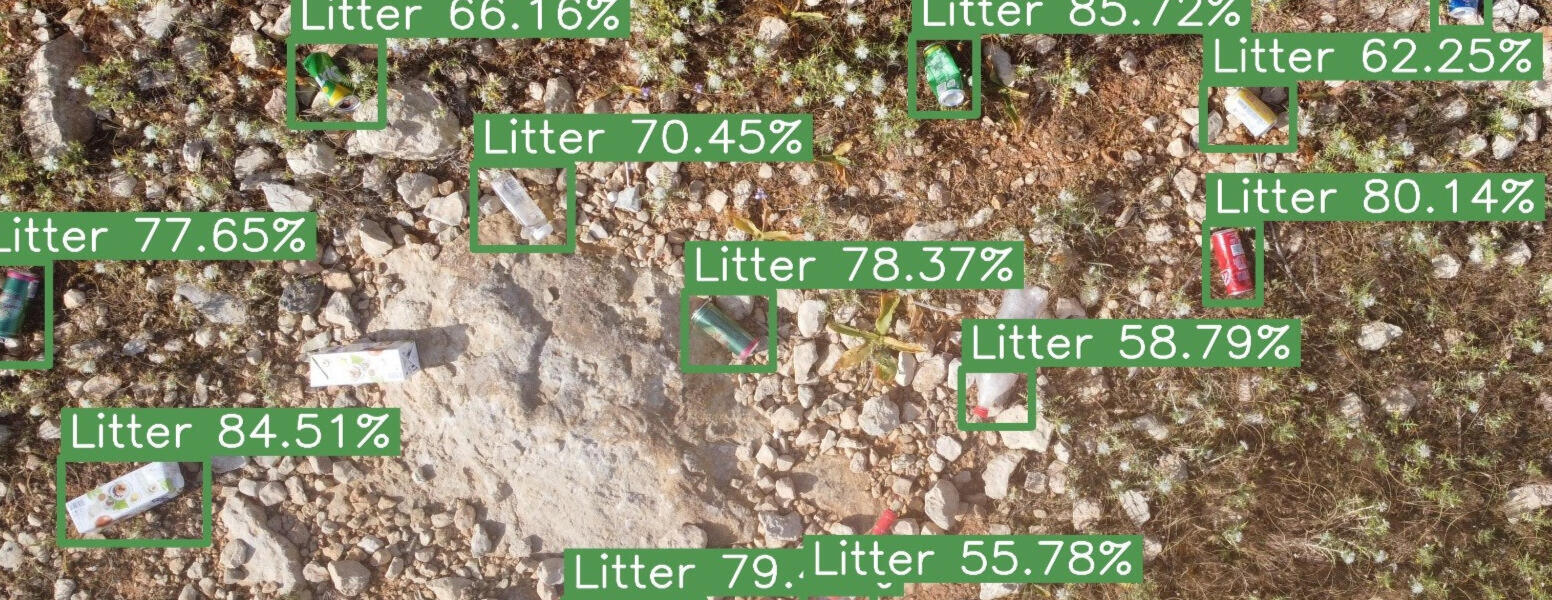
The Aerial Waste Identification and Geolocation System (AWIGS) project is funded by the Technology Development Programme - Lite (TDP-Lite) of Xjenza Malta. This project is developing a drone-based AI system that detects and maps litter from aerial imagery.
The Targeted Aerial Litter Collection (TALC) project is the next step after AWIGS. It is also funded by Xjenza Malta's TDP-Lite programme and will develop technology that uses drones to retrieve litter.
The Automated Aerial Capture for Enhanced 3D Data Acquisition (AAC) project is in collaboration with Stargate Malta, who were awarded Xjenza Malta's TESP funding. The university is supporting the industrial partner in developing an AI-driven adaptive scanning for detailed 3D models of large structures.
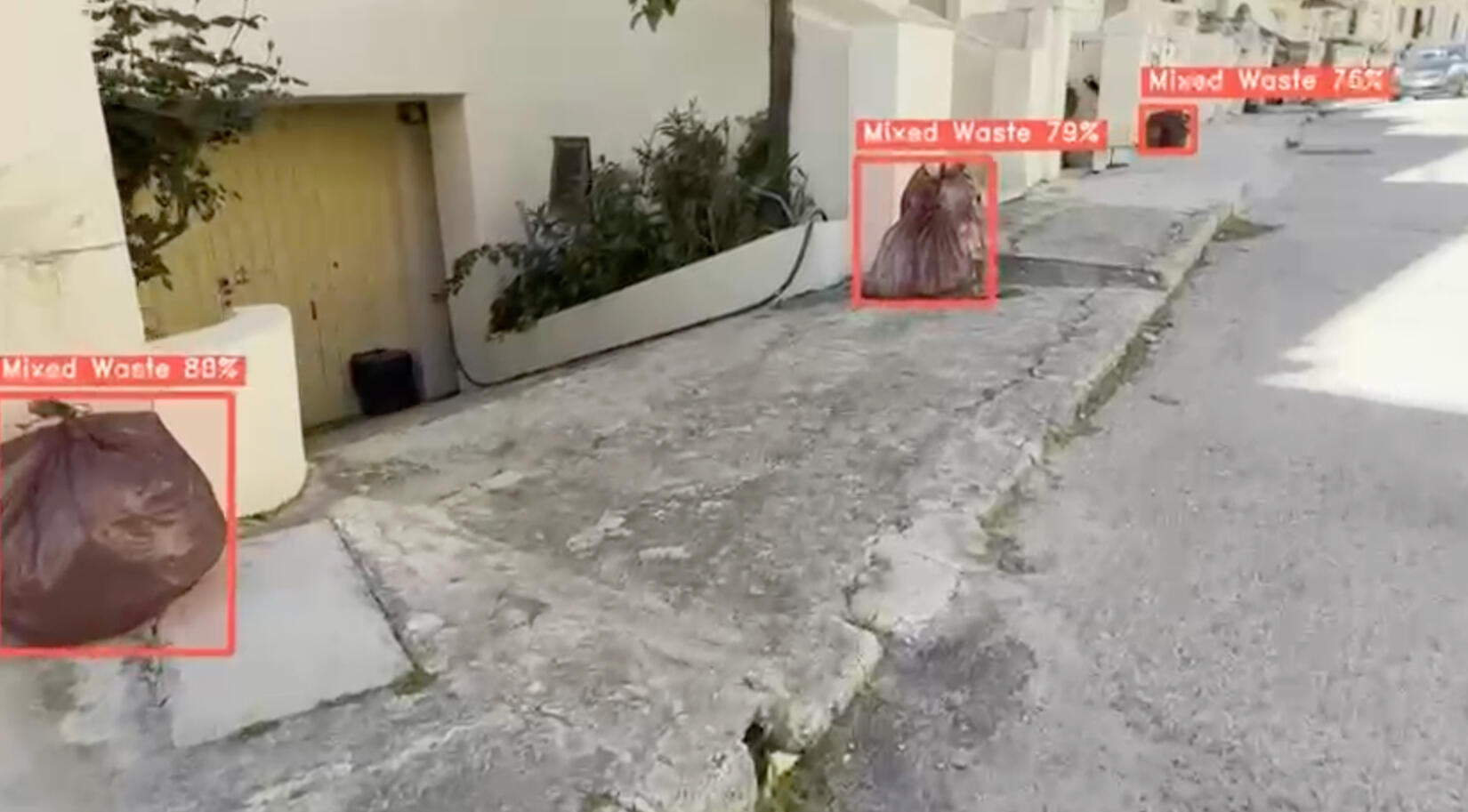
Fl-Art: Vehicles
On the ground, our AI systems optimise urban operations and maintenance.
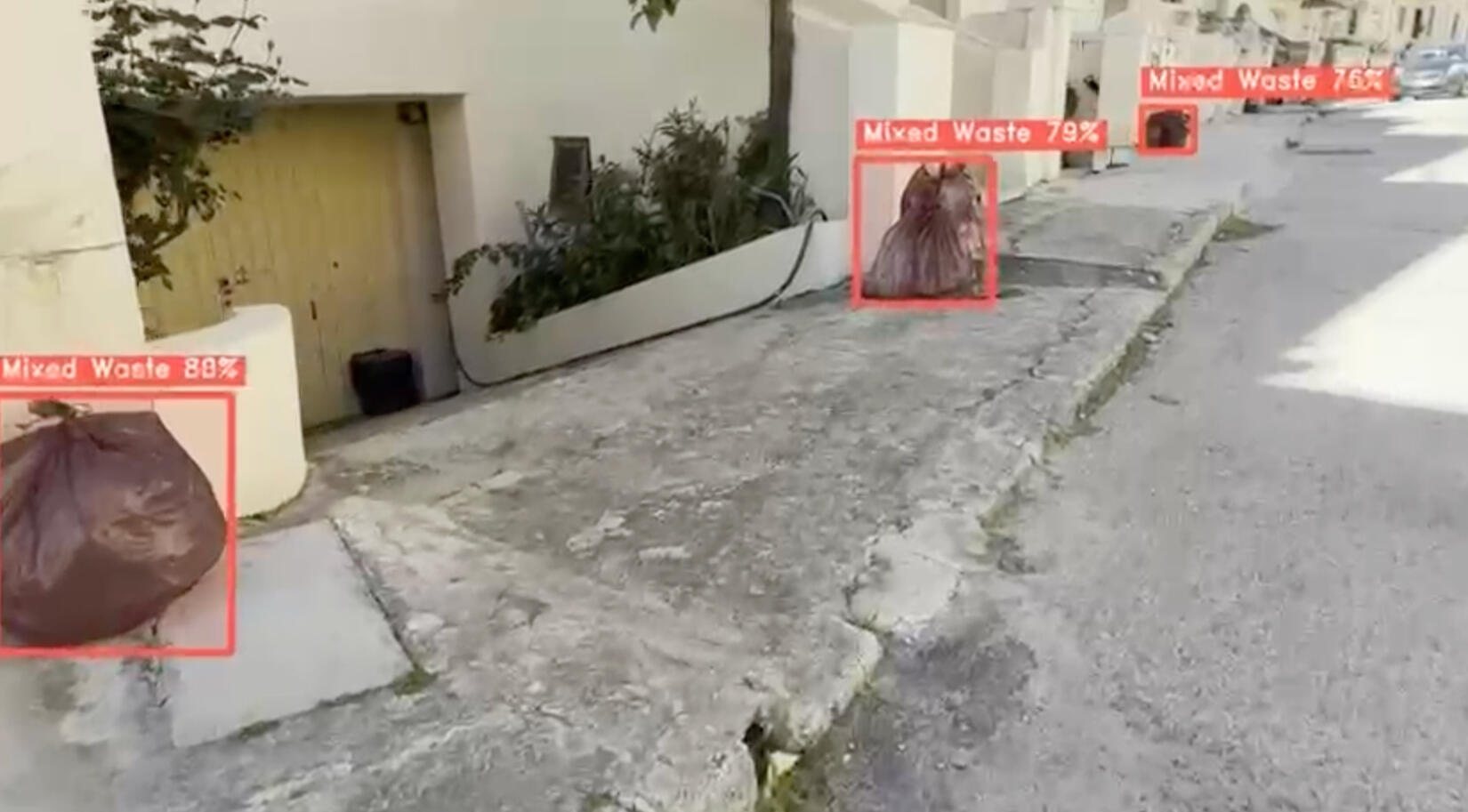
The Application of AI and Computer Vision to Optimise Cleansing Operations (AICOM) project is funded by the Cleansing & Maintenance Division. It is designed to help with upkeep and cleanliness through a privacy-by-design vision system.
U kullimkien.
Environmental challenges require solutions that work across scales. By developing AI and computer vision capabilities across satellite, drone, and ground-based platforms, we create an integrated intelligence system that's greater than the sum of its parts.
For any further information, feedback or collaboration, please reach out to Dr Dylan Seychell, the Principal Investigator of these projects.© Department of AI, University of Malta, 2025
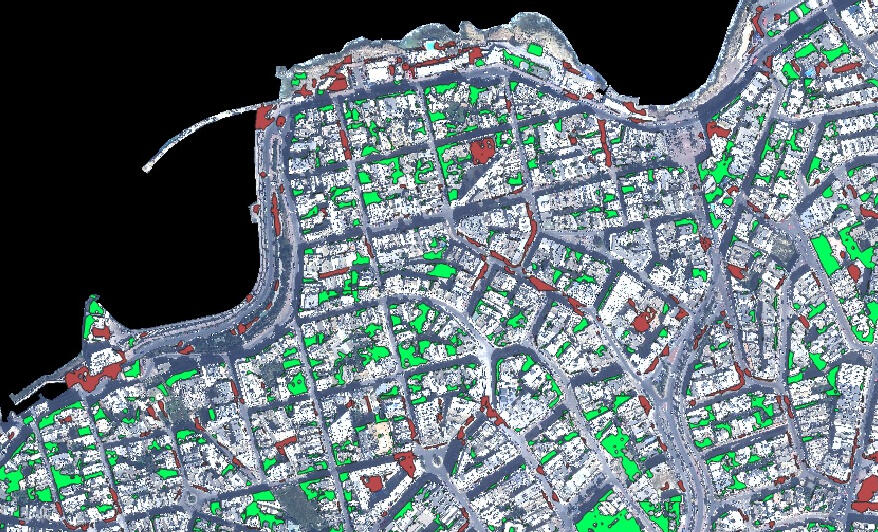
Enhancing Malta's Basemap with AI Technology (EMBAT)
This research project explores the integration of artificial intelligence and computer vision techniques to automate geospatial analysis and enhance base maps. The investigation focuses on developing robust methodologies to detect temporal and spatial changes between aerial and satellite imagery, while addressing challenges in shadow removal and object classification. EMBAT aims to advance the field of automated cartographic updating by applying deep learning to urban mapping contexts.This project is being carried out in collaboration with Malta's Planning Authority.Funding: Malta Digital Innovation Authority through the MDIA Applied Research Grant (MARG) 2024
The team behind the research

Dr Dylan Seychell
PI
Prof Matthew Montebello
Academic

Aerial Waste Identification and Geolocation System (AWIGS)
The AWIGS project is an innovative, drone-based litter detection system that utilises advanced AI algorithms developed in Malta and published in international peer-reviewed conferences.The current technology developed by the Department of Artificial Intelligence at the University of Malta uses the latest Computer Vision methods to accurately detect different types of litter from altitudes ranging from 1 to 30 metres. This technology achieved TRL 5 and was also published in international IEEE peer-reviewed conferences.This project aims to take this technology, which has already been proven to perform accurately in the intended environment, to a level suitable for operational use. For this reason, the Maltese Government's Cleansing and Maintenance Division (CMD) is supporting this project, which will provide the ideal context and environment for this technology to evolve.This technology will enable users to improve the recycling of various materials during litter collection by distinguishing among different types. Additionally, it will help users be more efficient during litter collection by providing suggested paths.This project will therefore focus on two-stage approaches. The first step is to take the current technology, proven at TRL5, to an operational context in collaboration with the CMD, advancing it to TRL7. In the process, it will also utilise Xjenza Malta's opportunities to explore and lay the groundwork for the potential commercialisation of this technology at a European and global level.Funding: Xjenza Malta Technology Development Programme - Lite (TDP-Lite) 2024
The team behind the research

Dr Dylan Seychell
PI
Prof Matthew Montebello
Academic
Prof Ing Carl J. Debono
Academic
Dr Konstantinos Makantasis
Academic

Application of AI and Computer Vision to Optimise Cleansing Operations (AICOM)
This project investigates the application of AI to optimise urban cleansing and maintenance operations. The project focuses on developing machine learning algorithms and computer vision techniques to enhance operational efficiency in public service delivery.Funding: The Cleansing and Maintenance Division within the Government of Malta
The team behind the research

Dr Dylan Seychell
PI
Dr Mark Bugeja
Academic